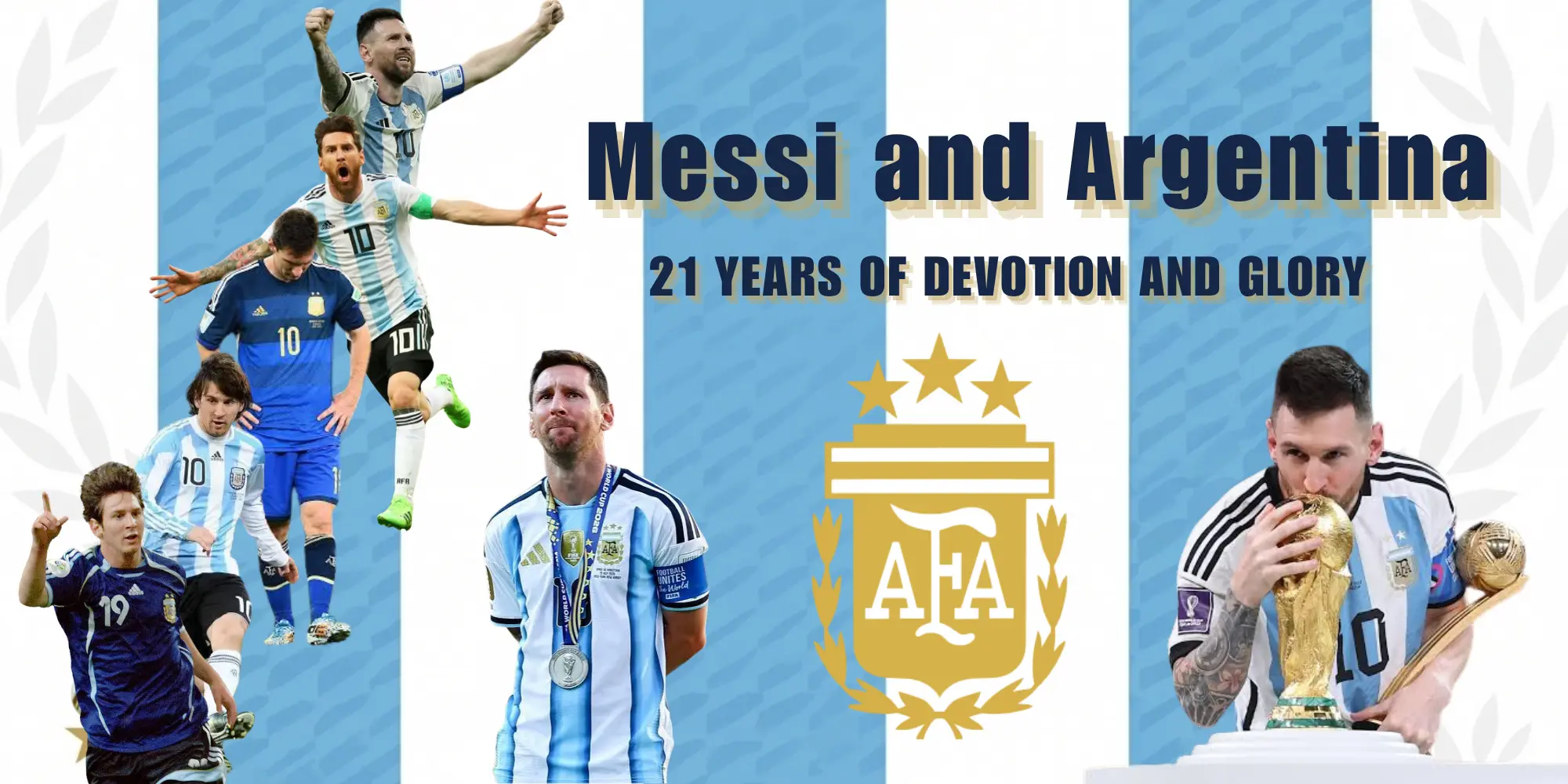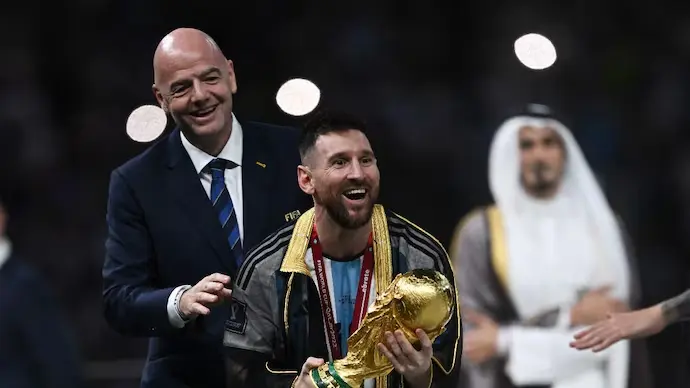


Argentine newspaper La Nación published a column covering Lionel Messi’s farewell to the national team, pointing out that the post‑Messi era for Argentina’s national side is filled with uncertainties.
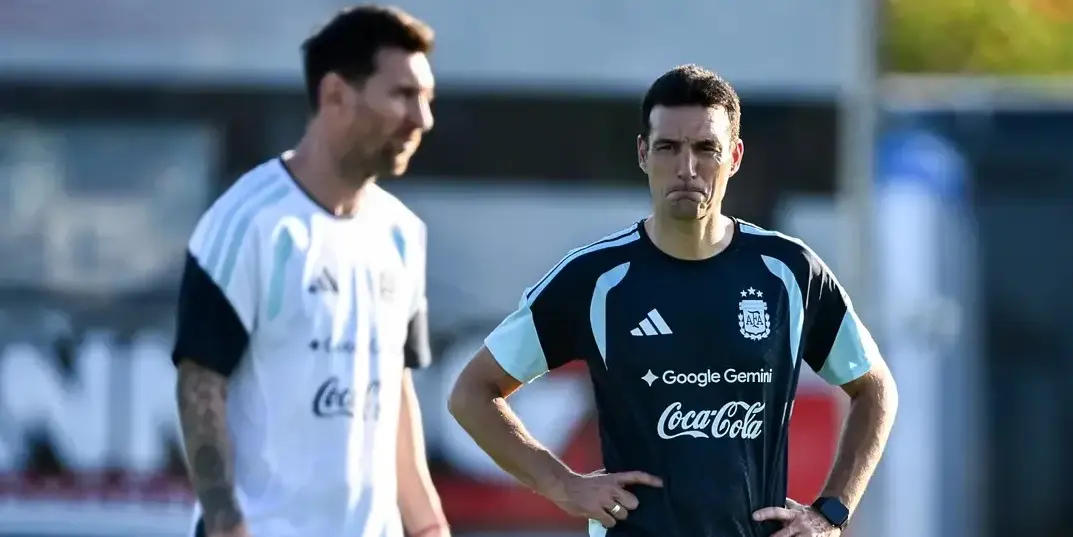
Lionel Messi and Lionel Scaloni once lifted Argentina to extraordinary heights, yet now the national team is shrouded in heavy uncertainty.
Things might have turned out completely differently had that late attack in the World Cup finals found the back of the net. At that moment, Messi delivered a brilliant pass to Giuliano Simeone, who crossed the ball, and Germán Senesi met it with a close‑range flick, only for the ball to drift inches wide off the post. If that chance had gone in, if the World Cup had ended with a different outcome, Argentina would not be facing such turbulence right now. Discussions would likely centre around whether this squad ranks among the greatest of all time, and who could challenge their dominance.
Reality offers no second chances. When the match clock hit 119 minutes and 38 seconds, that attacking move failed to alter the scoreboard, and an era drew to a close. Following Lionel Messi’s official retirement from international football this Monday, combined with the uncertain future of head coach Lionel Scaloni, both on‑pitch and off‑field leadership pillars of the national team are on the verge of collapse. Even for the international break 21 days away, the side has yet to lock in opponents for warm‑up fixtures.
Though Argentina came within touching distance of defending their World Cup crown, it must be acknowledged that they did not play their best football throughout the tournament and relied excessively on Messi. While it is still early to speak of a full farewell, the Argentine Football Association has been working at full speed to arrange a send‑off ceremony worthy of his status.
For the past 22 years, nearly everything within Argentina’s national football setup revolved around Messi. Now everyone must adapt to the new reality without him. This shift shows not only on the pitch but also in financial terms. A major reason why the Argentine Football Association has failed to finalise September’s friendly fixtures is that match‑day appearance fees for the national team have dropped sharply without Messi. Though the federation is attempting to organise a farewell match for Messi, time is running extremely short.
Argentina scored 19 goals in this World Cup tournament alone, with Messi contributing 8 goals and 4 assists. His immense importance speaks for itself.
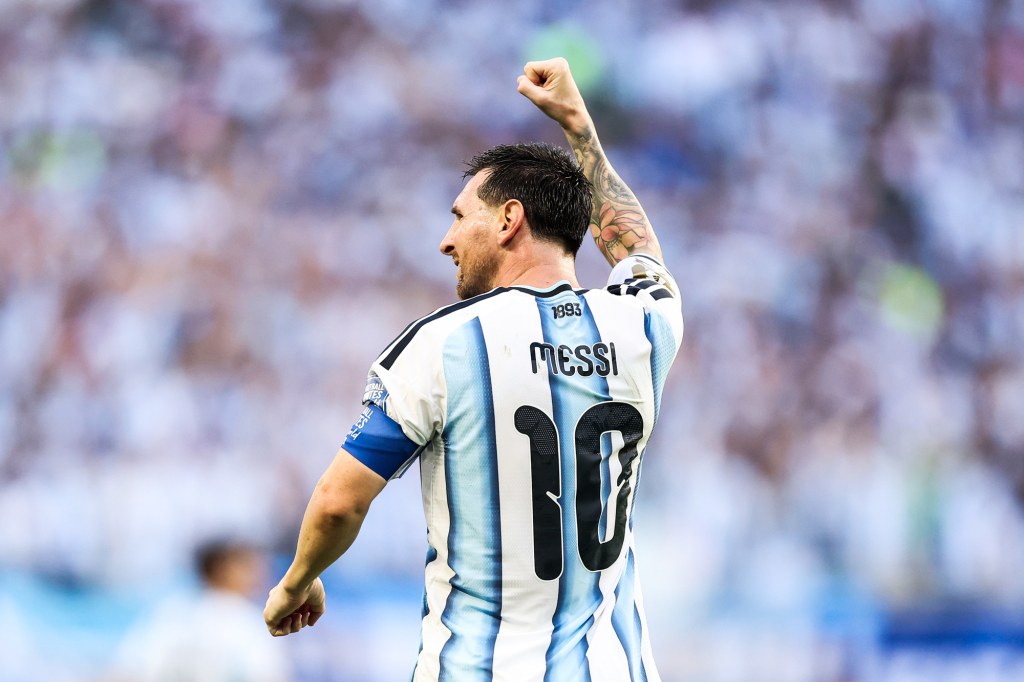
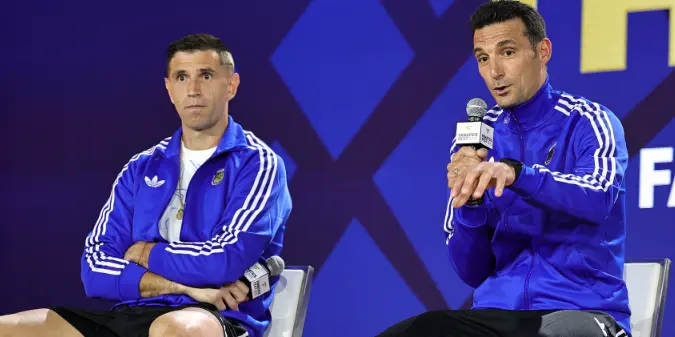
Beyond Messi’s departure, Lionel Scaloni’s current contract expires at the end of this year. While he has stated he will see out his existing deal, there is no clarity over whether he will extend beyond 2027. Clear signs of burnout from his long tenure are visible, and Scaloni believes the squad requires a full‑scale rebuild from scratch. Captains Lionel Messi and Nicolás Otamendi have confirmed their exits, and other veterans from the previous two World Cup cycles are unlikely to continue, hindered by advanced age, declining match sharpness or persistent injury issues.
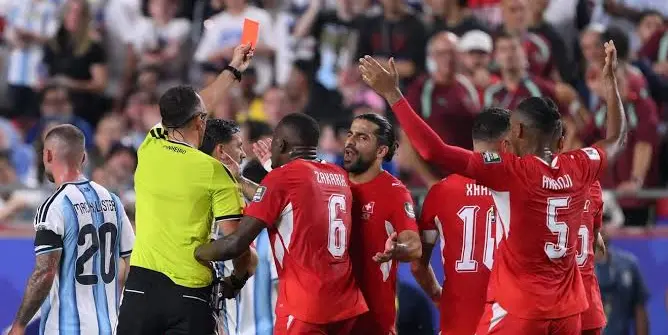
Scaloni is currently staying at his home in Mallorca. The original plan was to recall the core World Cup squad for the September training camp, so the team could receive tributes from home supporters at a sold‑out Estadio Monumental. The football federation had also considered overseas fixtures and even held talks over playing friendlies against China and Uzbekistan, yet all those plans have now been put on hold. Given that suspensions handed to Leandro Paredes and Nahuel Molina can be served in friendly matches, the AFA had hoped to schedule multiple fixtures during the September window, yet securing opponents has become a major obstacle.
This situation leaves Scaloni in a dilemma. He is reluctant to field many soon‑to‑depart veteran players across numerous warm‑up games, knowing that a massive squad overhaul is imminent.
Rebuilding after reaching glorious heights is often more difficult than reconstructing from a low point. Even though Argentina advanced all the way to the World Cup final, their overall performances were underwhelming for large stretches, with Messi’s extraordinary individual exploits frequently carrying the team. They laboured against several lower‑ranked opponents, and the gap shown against Spain in the final served as a sober wake‑up call for Scaloni. Reports indicate Scaloni will return to Argentina in the coming weeks for face‑to‑face talks with AFA president Claudio Tapia to decide his own future.
Should Scaloni choose to step down, the national team system built across eight years will face total dismantling. This means far more than appointing a new head coach; it involves reshaping the entire coaching staff, training methodologies, player‑scouting mechanisms and pathways linking the senior squad to youth teams.
Messi’s exit also carries political ramifications. For years, Messi’s global stature elevated the standing of the national team and consolidated Claudio Tapia’s position within the football federation. It remains to be seen whether the Argentine Football Association’s influence within global football politics will diminish without the superstar.
A brand‑new era has commenced on the competitive front. Everything needs redefinition: tactical approaches, who inherits the iconic number‑10 jersey, and who will wear the captain’s armband. Who will step up as the new leaders? Will it fall to established first‑team figures such as Cristian Romero, Enzo Fernández, Alexis Mac Allister and Lautaro Martínez, or will long‑time Messi allies including Leandro Paredes and Rodrigo De Paul continue to lead the side?
As one of the co‑host nations for the 2030 FIFA World Cup, Argentina has automatically qualified and may not need to take part in qualifying campaigns at all. This means the next major senior tournament for Argentina will not arrive until the 2028 Copa América.
For a national team accustomed to years of stability and outstanding achievements, the road ahead is full of unknowns.