


La Liga spent €748 million on the transfer market this summer, while the Premier League spent as high as €4 billion. This represents a highly unequal market. The Premier League operates under a permanent‑loss model that drives up market inflation.
Real Madrid and Barcelona are the only two Spanish clubs inside the top ten for transfer‑market expenditure. Their combined spending is merely on a par with that of newly‑promoted Ipswich Town of the Premier League. It is fair to say English clubs have completely upset the market balance.
The closing of the summer transfer window has once again exposed Spanish football’s “dual‑speed” reality. La Liga has become split into two worlds. On one side stand Real Madrid, Barcelona and Atlético Madrid, who still possess the financial muscle to spend lavishly on the European stage. On the other side lie almost all the remaining La Liga clubs, forced to operate on tight budgets. They must sell before they can buy, hunting for loan deals, free transfers and last‑minute opportunities to complete signings in an extremely frugal manner.
An unexpected exception emerges between these two worlds: RC Deportivo de La Coruña. Fueled by investment from Abanca Bank, the club dares to take risks that most other La Liga clubs cannot or will not assume. In the final hours of the transfer window, players such as Dani Ceballos, Marc Casadó and José Giménez became focal points.
Data tells a clearer story than any individual transfer. Spanish clubs spent €748 million this summer, a figure placing La Liga as the world’s fourth‑highest‑spending league, yet it falls far short of the Premier League’s near‑€4‑billion outlay. Furthermore, La Liga’s expenditure trails Serie A and sits slightly below that of the Bundesliga.
The gap with England is no longer limited to elite clubs alone; it represents a structural disparity across every league ranking tier.
Manchester City tops the global transfer‑spending chart, and the top seven highest‑investing clubs all come from the Premier League. Real Madrid ranks eighth and Barcelona tenth. Sandwiched between them is newly‑promoted Ipswich Town, which invested roughly €200 million this summer, a sum inconceivable within the Spanish game.
Javier Gómez Molina, Corporate General Manager of La Liga, told El País: “The Spanish club model revolves around youth academies, whereas the Premier League follows a loss‑making model. If Premier League revenues are twice those of La Liga or the Bundesliga, when we invest €800 million, they ought to invest around €1.5 billion.”
“But they have actually spent close to €4 billion. That means this money is not revenue they have earned themselves; it comes directly from shareholder capital injections. This permanent‑loss model creates inflation across the whole industry.”
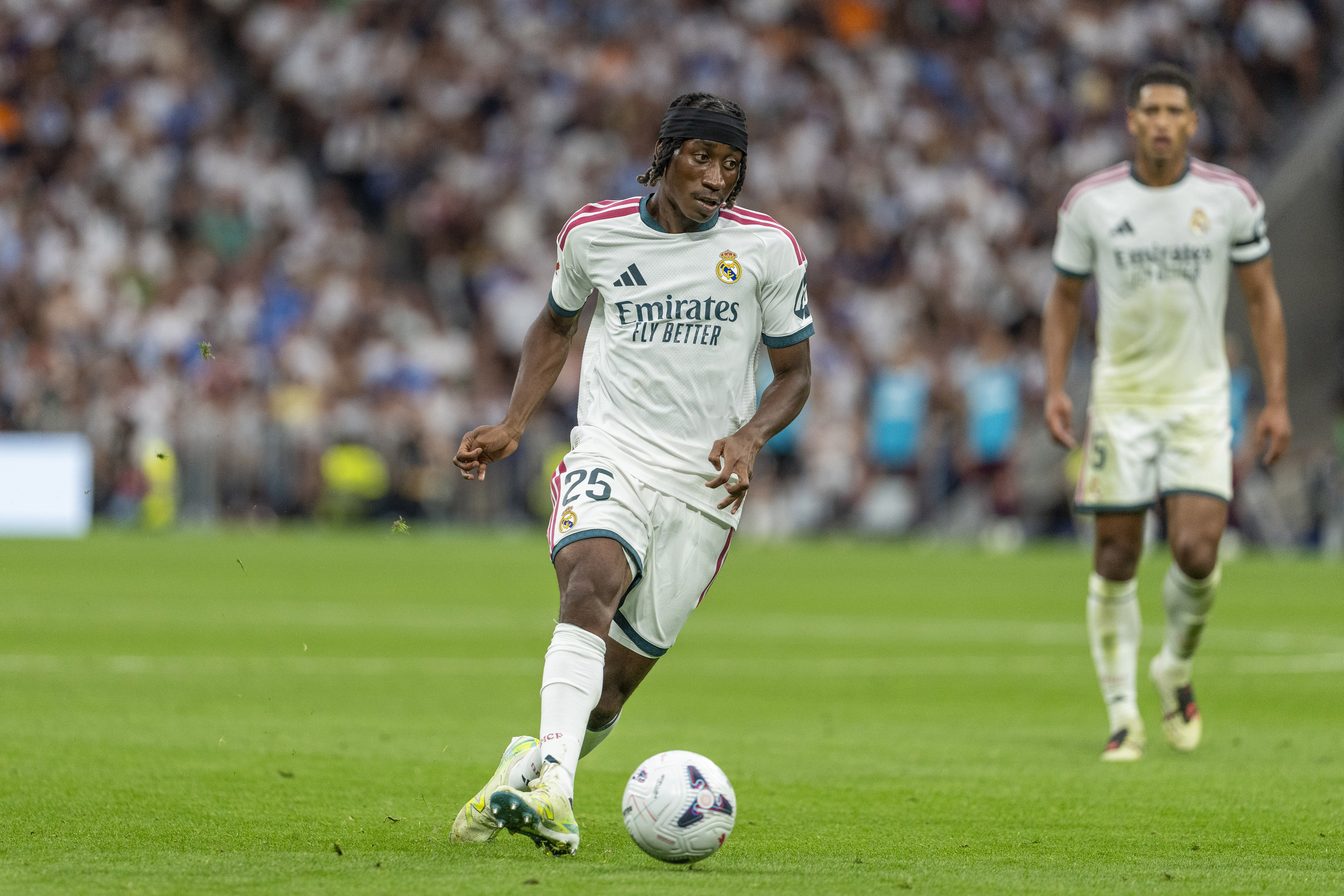
Real Madrid and Barcelona have tried to compete within this environment. Yan Diomande, signed by Real Madrid for €125 million, is La Liga’s sole summer signing to feature in the global top‑ten transfer‑fee list. Meanwhile, Enzo’s move to Manchester City stands as the highest‑value deal linked to La Liga, worth more than €150 million.
Expanding the list to cover the 45 most expensive transfers worldwide, only four signings were completed by La Liga clubs: Yan Diomande, Anthony Gordon, Rodri and Marc Cucurella.

Although Atlético Madrid retained Julián Álvarez, its major investments were the €40‑million signing of Morten Hjulmand, the arrival of Kang‑in Lee, plus the last‑minute loan acquisition of Jonathan David from Juventus. Atlético’s total outlay reached €123 million, which ranks only 24th globally.
Beyond that lies a chasm. Real Betis, who secured Dani Ceballos on a free transfer late in the window, is the next La Liga club on the list with €30 million of expenditure, sitting 77th worldwide.
Next come RC Deportivo de La Coruña in 90th place (€26 million), and Racing Santander at 101st (€20.5 million, signing Pablo García from Real Betis).
Only six La Liga clubs recorded transfer‑investment outlays exceeding €20 million. Most La Liga clubs hold a positive net transfer balance or a net expenditure barely reaching €10 million, reflecting extreme cost‑cutting.
RC Deportivo de La Coruña represents a special case, as Javier Gómez Molina explained: “Their major shareholder carried out a capital increase, as did Atlético Madrid. These are public operations, and they are deploying those funds. This signing capacity exceeds what their profit‑and‑loss statements would normally permit.”
Leo Román, Pierre‑Emerick Aubameyang, Adama Traoré, plus late‑window arrivals Marc Casadó and José Giménez, constitute RC Deportivo de La Coruña’s shrewd deadline‑day additions.
Athletic Bilbao paid zero transfer fees. Málaga invested only €300 000, and seven other clubs spent less than €10 million.
Loans, free transfers, player sales, future transfer‑sale percentages and immense patience right up until deadline day: these are the survival rules for most La Liga sides.
Comparisons with other European leagues further underscore La Liga’s sense of isolation. In Serie A, 15 clubs spent more than €20 million, seven of which also posted net investment above that threshold. Ten Bundesliga clubs exceeded €20 million in spending; nine Ligue 1 clubs hit that mark.
Even England’s second‑tier EFL Championship has nine clubs clearing that benchmark. The Saudi Pro League and Turkish Süper Lig each have five clubs meeting the threshold, while La Liga can count only six.
La Liga still invests and remains one of the world’s top competitions, yet it struggles financially.
The Spanish transfer market has split in two: superstar signings belong to the giants, a small number of bold clubs take calculated gambles, and nearly every remaining side must operate with a financial calculator firmly in hand.