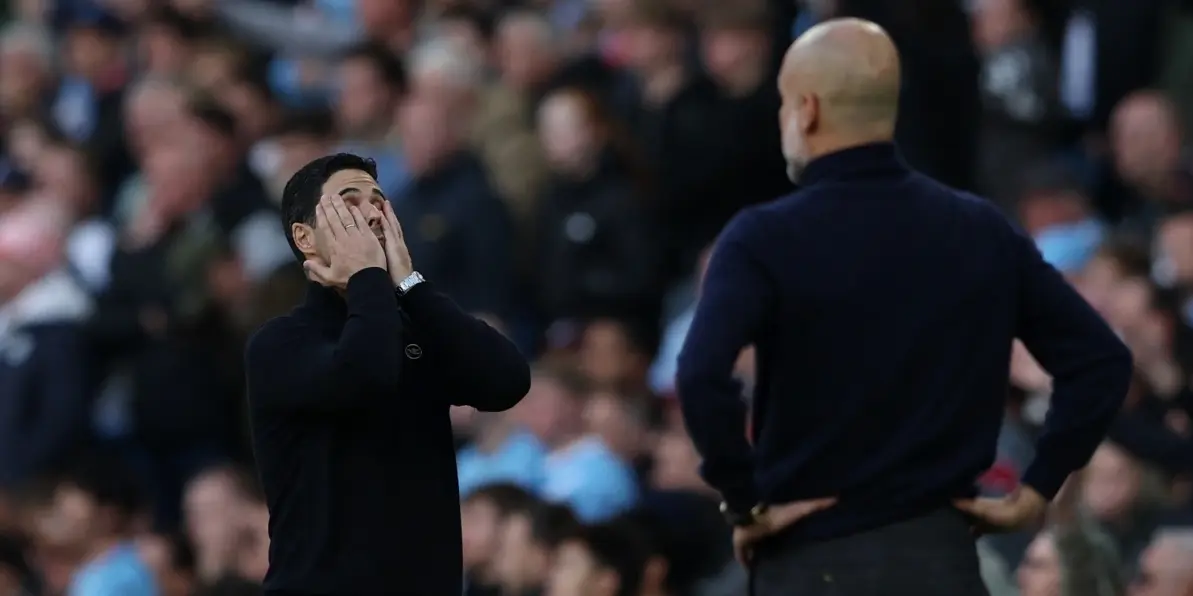


Towards the end of the transfer window, Bertha and Arsenal are under immense pressure to offload players. Arsenal entered the transfer market with ambitious sales plans, yet as high‑value deals proved difficult to complete, the club began scouting more potential targets, prioritising players who could generate the largest profit for the team.
Multiple sources told The Athletic that Arsenal risk breaching UEFA’s “Squad Cost Ratio” (SCR) rules if they fail to raise substantial funds through player sales. In addition, Arsenal must comply with UEFA’s “Football Revenue Rules”, which serve a similar purpose to the Premier League’s now‑defunct “Profit and Sustainability Rules” (PSR).
Across the past three seasons, Arsenal’s spending on new signings has exceeded £600 million. Even accounting for transfer fees from outgoing players including Gabriel Martinelli, the club’s net expenditure remains roughly £400 million. Arsenal’s revenue has surged in recent years, yet costs have risen in tandem. Expenses are substantial not only on transfer fees and player wages; non‑football operational costs also surpassed £200 million during the 2024‑25 season.
Despite widespread speculation, Arsenal officials firmly deny any risk of violating UEFA’s two core financial regulations. External observers, however, struggle to accurately assess clubs’ true financial standing. For one thing, reliable information such as club financial reports suffers from significant time‑lag.
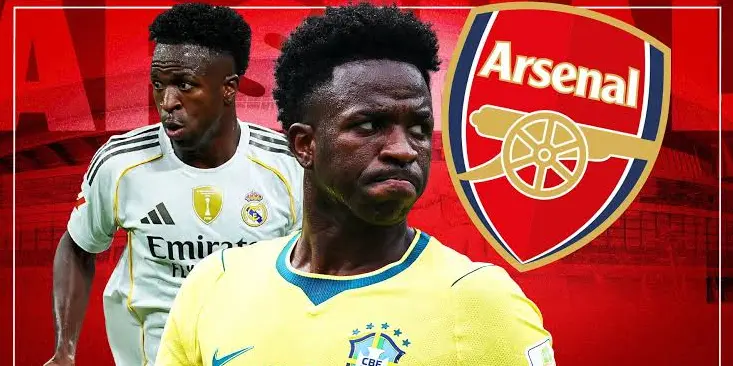
Furthermore, even once financial reports are published, the exact figures used to calculate metrics such as SCR are not made public. Financial statements only disclose total wage expenditure, while SCR calculations solely incorporate wages for players and coaching staff. There also exists an inherent contradiction: sources claim Arsenal sits close to regulatory breaches, yet the club appears willing to spend heavily to sign Vinicius or Julián Álvarez. This may suggest Arsenal is prepared to “walk a tightrope” near financial red lines when suitable players become available.
What is certain is that the Emirates Stadium is delivering spectacular revenue growth, and it would come as no surprise if Arsenal finished as England’s highest‑earning club last season. That growth is accompanied by the steep costs required to maintain on‑field competitiveness and pursue success.
Against this financial backdrop, intermediaries put forward Myles Lewis‑Skelly to Manchester United and Chelsea. News of this proposal sent shockwaves through Arsenal’s dressing room and sparked fierce backlash among supporters. Arsenal insist they did not actively market Myles Lewis‑Skelly. Nonetheless, sources from both Manchester United and Chelsea confirm intermediaries did present Lewis‑Skelly to them. Still, Lewis‑Skelly is fully committed to establishing himself at his boyhood club and has no desire to depart.
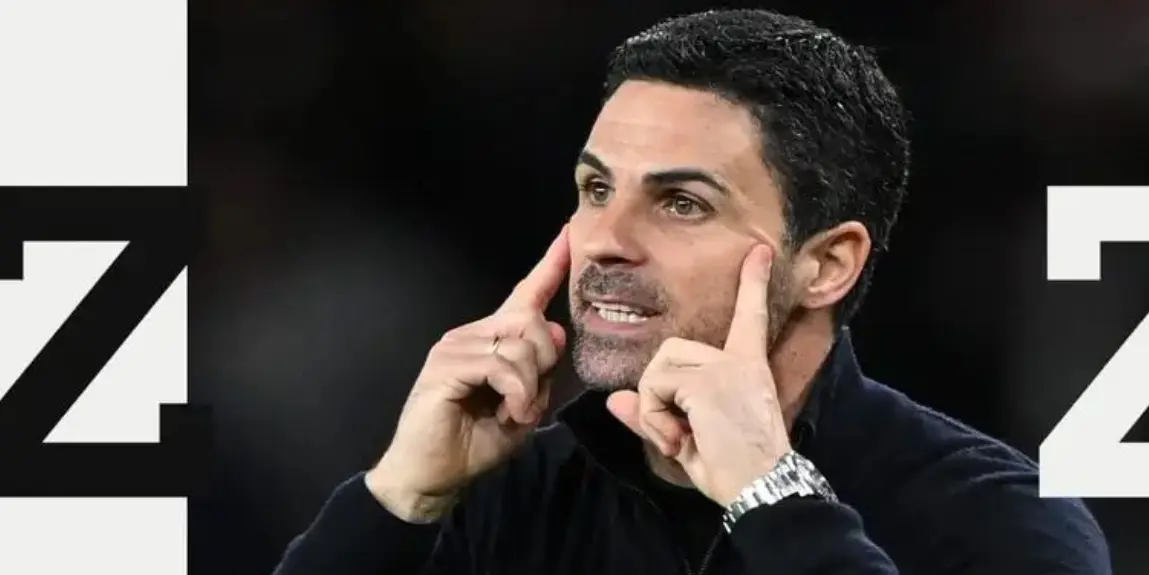
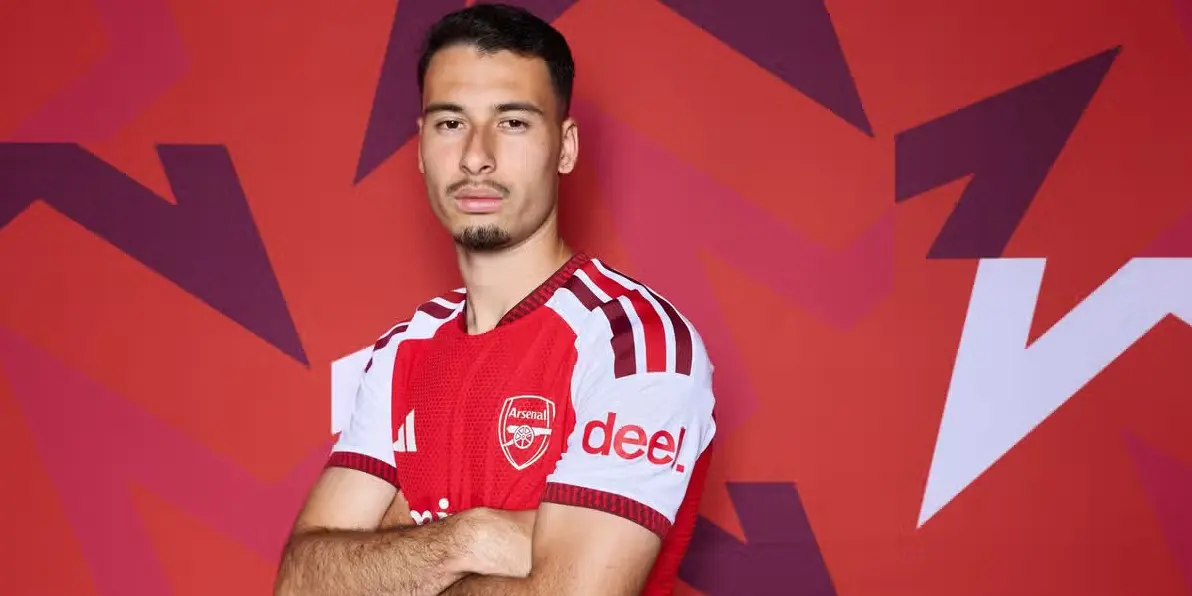
To raise funds, Arsenal made the call to exclude Gabriel Martinelli from the Community Shield match‑day squad. Several senior first‑team players expressed disappointment over this handling. Mikel Arteta later held frank talks with Martinelli to resolve tensions, yet Martinelli’s future at Arsenal is now confirmed to be over. Where will he go? Galatasaray tabled a €45‑million offer, but the player explicitly informed Arsenal he had no wish to move to Turkey.
Eventually, Saudi powerhouse Al‑Hilal stepped forward with a deal acceptable to all parties. Gabriel Martinelli underwent his medical on Wednesday to complete the €70‑million transfer, which sets a new record for the highest fee Arsenal have ever received from selling a player. Given Arsenal signed him from Brazilian side Ituano for a minimal fee seven years ago, almost all of this income will count as pure profit.
Departures for Gabriel Jesus, Fábio Vieira and Gabriel Martinelli have greatly eased Arsenal’s player‑sales pressure. The Gunners have raised the necessary funds, whether to satisfy UEFA’s financial oversight requirements or, as the club officially stresses, simply to balance the books and optimise their squad.
Arsenal are satisfied with their summer transfer business. In their view, Bruno Guimarães and Konsa are experienced, ready‑made Premier League additions who significantly strengthen midfield and defence. Christos Tzolis has impressed since his July arrival, while late‑window player sales grant the Gunners ample flexibility for operations in next January’s window and beyond.
The outlook looks far less positive in attack, however. Across last season, Gabriel Martinelli, Leandro Trossard and Gabriel Jesus amassed a combined 130 appearances. Teenager Ethan Nwaneri has joined Borussia Dortmund on loan with a January recall clause, and Arsenal have signed only one attacking player to offset these departures.
On paper, the Gunners’ forward line looks weaker than last term. Real‑world outcomes may differ, though. Arsenal are counting on Eberechi Eze and Noni Madueke to deliver on the left flank. If Kai Havertz, Bukayo Saka and Martin Ødegaard can stay fit, the team’s overall performances could improve markedly compared to last season. Considering the frequent injury histories of these key men, however, this remains nothing more than an optimistic “what‑if”.
Signing Konsa provided defensive security, yet no comparable precautionary reinforcement arrived for the attack. As Premier League champions and one of Europe’s top clubs, Arsenal could have dictated terms in the transfer market. They searched for elite attackers capable of lifting the team’s ceiling and reshaping tactics, but ultimately found no targets that matched their ideals while fitting within budget constraints.
All in all, Arsenal have strengthened selected positions this summer, yet thinned out resources elsewhere, securing greater financial flexibility for future moves. They remain genuine contenders for the Premier League title, albeit with lingering regret over failing to seize a golden opportunity to bolster their squad.